Our part in a just transition to net zero
Upcycling waste to displace product grown-for-use
We use what is currently wasted to deliver highly-nutritious ingredients to displace soy, wheat and pea protein.
Reducing biomass left to rot
By utilising biomass that would otherwise be left to rot, we reduce emission of methane, a Green House Gas that is more impactful than CO2.
Helping farmers make land more productive
By helping farmers deliver more from the same resources we reduce carbon intensity.
Reducing food miles
By displacing imported ingredients, we reduce food miles.
Reducing energy needs for initial refrigeration
Through automation we allow night harvest which reduces chilling requirements and potentially extends shelf life.
We have five levers to achieve carbon reduction
We aim to achieve climate-positive outcomes.
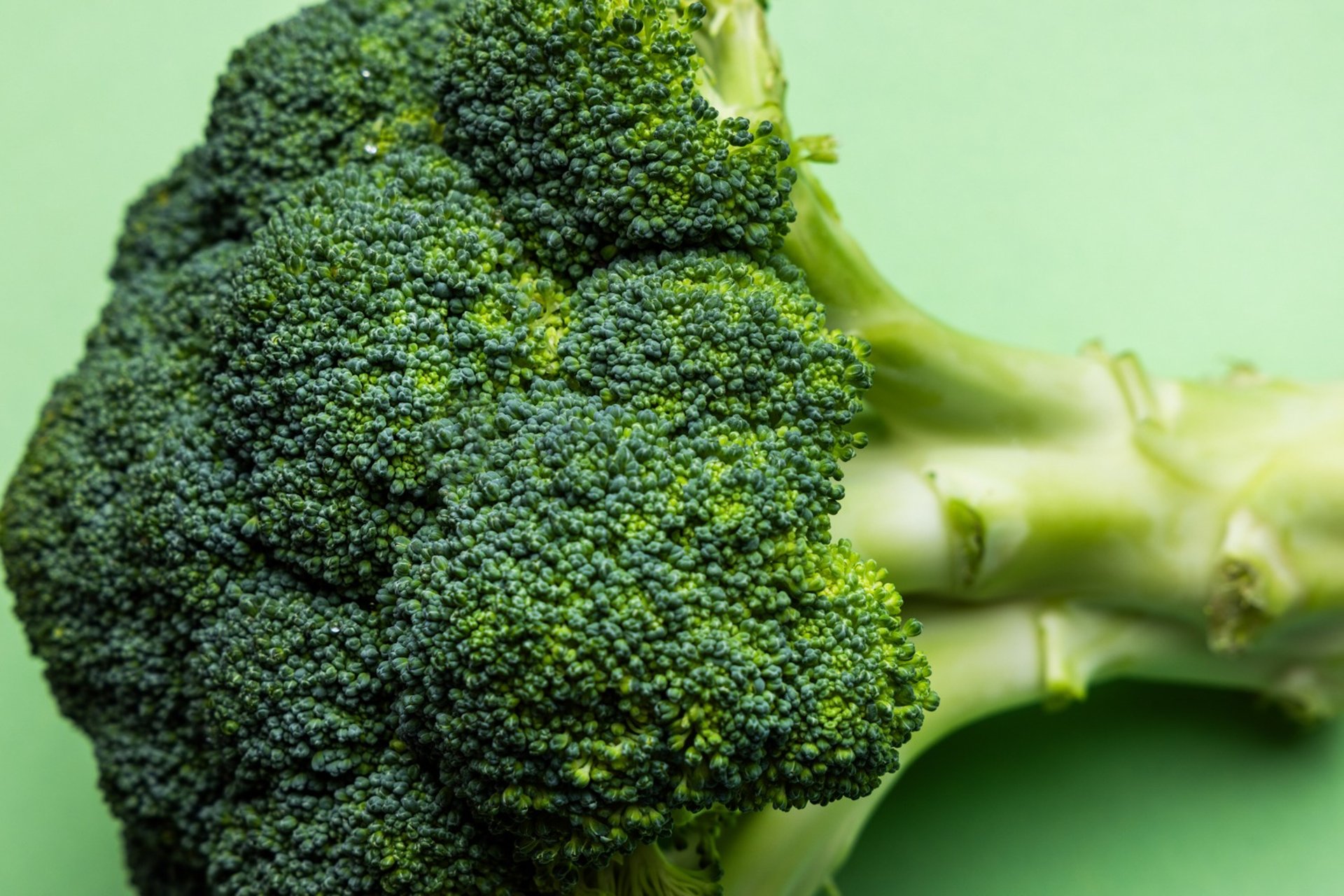
Even if it was grown-for-purpose, broccoli has a lower Harvest Carbon Footprint than soy or pea. We use broccoli 'side stream' and focus on minimal processing and lowering food miles to further minimise Total Climate Footprint. In addition, we reduce vegetable matter left to rot. In summary, we have optimised for 'planet positive' impact.
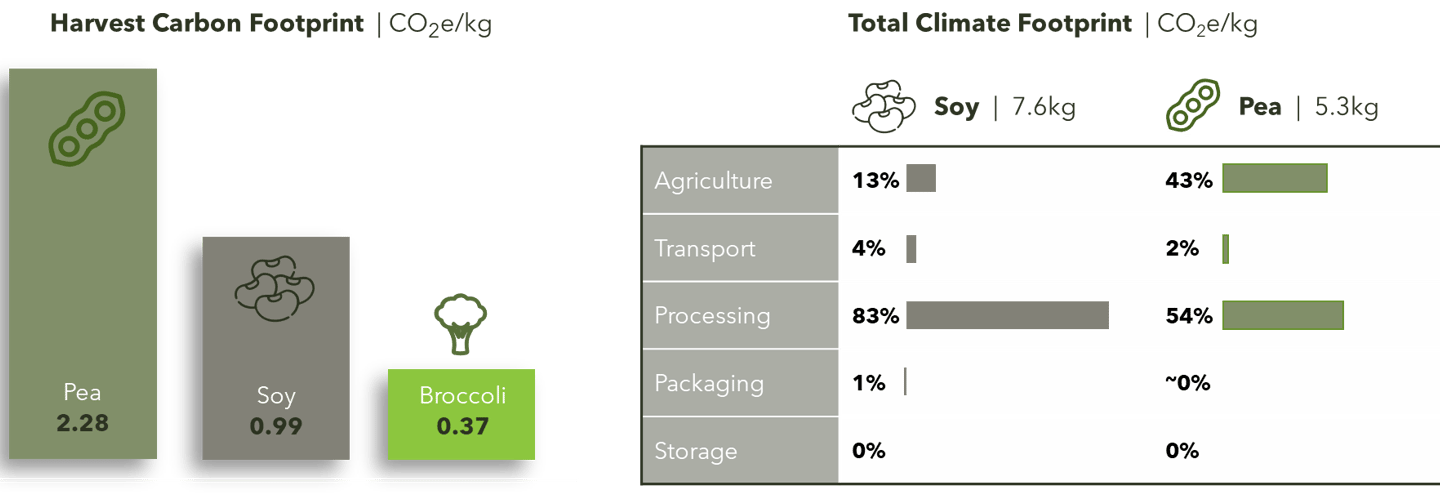
The Carbon Footprint of plant-based alternative proteins are a single digit percentage of the ~60 CO₂e/kg of beef.
Embed Net Zero in our business design
We use what is currently wasted locally to deliver highly-nutritious ingredients to displace food grown-for-purpose far away, avoiding CO2 for production and that associated with food miles.
Embed circularity in operations from the start
We have already embedded circularity - we intend to use all of our side stream to create valuable products. In addition we are planning to re-use heat generated in our processes and also to use waste heat from other sources, and to power our operations with electricity from renewable sources.
A holistic focus on achieving Scope 3 reductions for the supermarket
We are engaging with stakeholders including farmers, food manufacturers and supermarkets to ensure we maximise the carbon reduction opportunity through the entirety of the food-to-fork supply chain.
Design to mitigate climate change
We have designed our Harvesta product to have the lower possible ground weight to allow it to be used when fields are wet. Our Harvesta allows for night operations to reduce operator exposure to high environmental temperatures and to reduce the carbon costs of the initial chill post harvest Our business model reduces food supply chain reliance on remote growers in regions potentially more affected by climate change.
Start from best practise
We are already producing a Life Cycle Analysis based on our pilot plant. This will inform the design of our scale manufacturing plant to ensure we start from the best place possible.
Adopt existing frameworks
We will align with existing frameworks (such as Greenhouse Gas Protocol, PAS 2050, ISO 14064), calculate our carbon footprint (direct and indirect) to act as the 'baseline' once scale manufacturing commences, and develop a decarbonisation plan for improvements with science-based targets as part of an updated Net Zero Action Plan. We will implement ISO 14001 in 2027.
Improve natural capital
Our data portal ('Intellia') will give insight to support farmers in extending 'precision agriculture'. Using the 'big data' we generate, we aim to supply farmers intelligence they need but do not have, allowing insight that will help them to optimise their harvest activity and manage their crop and land better. We hope that this data will allow more efficient use of fertilisers, more targeted use of insecticide, and better use of water to support regenerative agriculture, specifically with respect to soil health.
Support a just transition
We share the value obtained from monetising the side stream with the farmer, in doing so we ensure a just return for the people who manage the land. Also, unlike many alternative protein providers, we focus on realising a cost position below that of meat. This means that consumers can make healthy, planet-friendly choices without it having to cost more. As a result, such choices are within the financial means of more people.
Certification
We are seeking to demonstrate we are 'climate positive' and issue certificates representing the reduction or removal of carbon dioxide equivalent emissions. This will be validated, monitored, verified and certified by an appropriate third party.
Use carbon off-setting if required
In the event we cannot achieve carbon positive status we will offset our carbon from 2029. If carbon off-setting is needed, we will minimise the need for its use.
Transparency
We will share our plan and outcomes with stakeholders (farmer partners, food manufacturers, supermarket end-customers, investors and staff). We will report our Scope 1 emissions for the year ended 2027, Scope 2 emissions for the year ended 2028 and Scope 3 from 2029. We will seek external certification or validation as Carbon Neutral by a recognised body as soon as we are ready to do so.
Continuous improvement
Any Net Zero strategy is a starting point, not a final destination. We will improve and iterate it as we become aware of new information, issues and opportunities.
Our net zero strategy in overview
We target "carbon negative" / "planet positive"

Get in touch
© 2026. All rights reserved.
Upcycled Plant Power ('UPP') Limited
trading as "UPP" and "Freya"
Company number: 14171122
VAT Number: 428 2222 17
Registered address:
Agri-Tech Centre
Poultry Drive, Edgmond,
Newport, Shropshire
United Kingdom TF10 8JZ
Connect with us
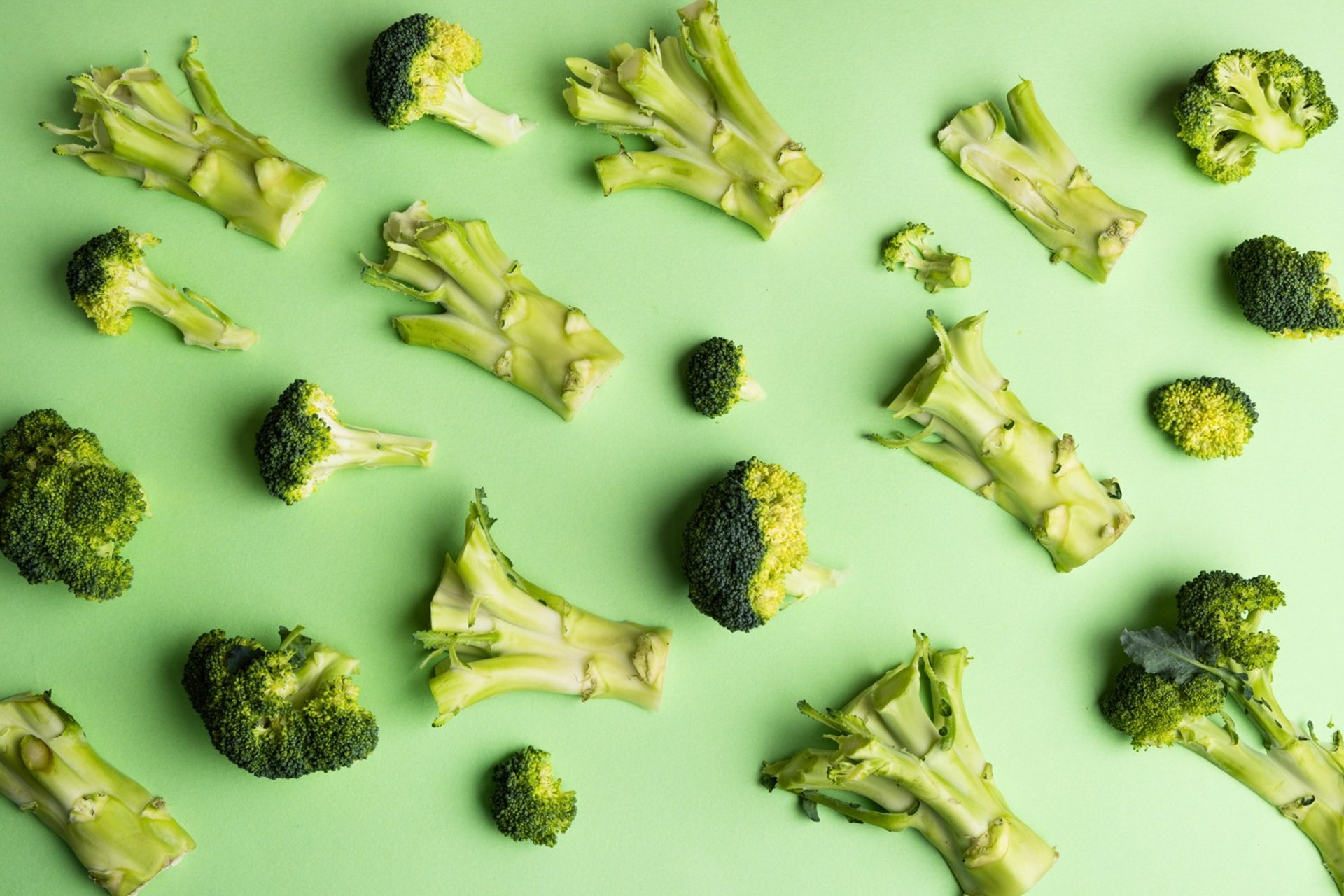
Broccoli is a natural source of vitamin K and contains folate, potassium and beta-carotene, a provitamin A carotenoid. Our Fiba and Prota products are a source of fibre, making them nutritionally valuable ingredients.