Natural 'clean' fibre for low-friction reformulations


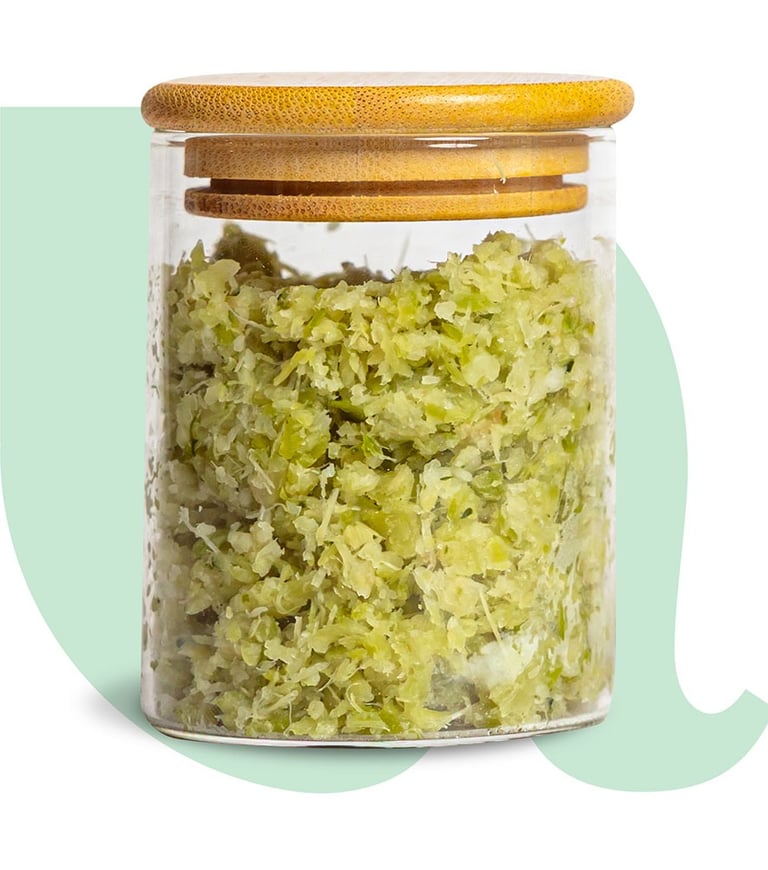
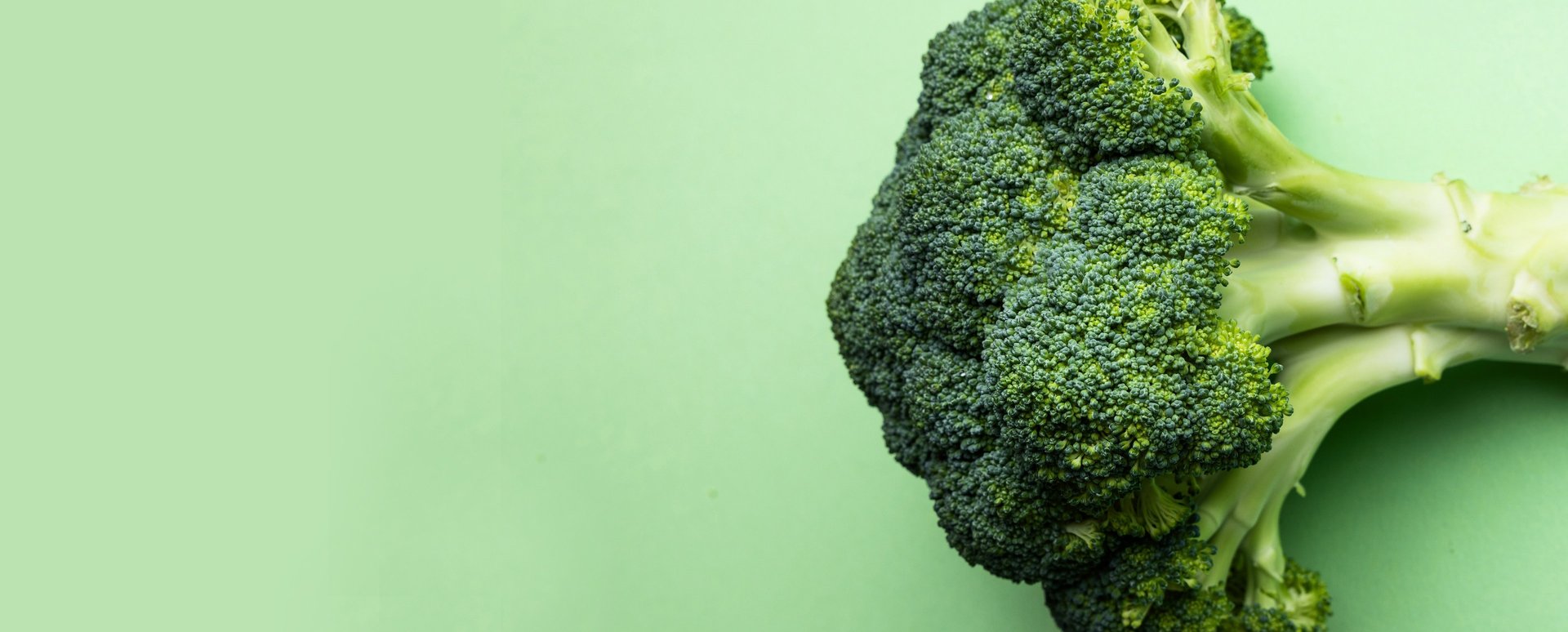
Brassica fibre: Naturally nutritious, minimally processed
Brassica fibre is more than a source of dietary fibre, it delivers a naturally complex matrix of insoluble and soluble fibres, associated proteins, and phytonutrients.
With the exception of our Ola™ range, our brassica fibre is derived from broccoli plant material, and contains both insoluble and soluble dietary fibre fractions, embedded within intact plant cell walls. Typical composition is:
~70–80% insoluble dietary fibre (cellulose, hemicellulose, lignin)
~20–30% soluble dietary fibre (pectic polysaccharides and soluble oligosaccharides)
Fiba is a good choice where you want to avoid some of the digestive issues associated with inulin; want to add the "clean" and familiar nutrition story of broccoli that goes beyond that of corn fibre (much of which is made from GMO corn as ~92% of US corn is GMO); and to benefit from a "kitchen cupboard halo" on the back-of-packet.
Fibre structure and particle size
The functional behaviour of fibre in food systems is strongly influenced by particle size and degree of milling.
Less finely milled fibres retain a more intact plant cell structure, which can contribute to:
increased water-holding capacity within the food matrix
firmer texture and “bite” in finished products
improved structural stability during processing
Water-holding and hydration properties
Broccoli fibre has a naturally high water-holding capacity due to its cell wall composition and fibre structure. In food formulations, this can:
increase moisture retention
contribute to viscosity, body, and mouthfeel
These properties can be valuable in products such as bakery items, meat hybrids, meat alternatives, sauces, soups, and plant-based foods where moisture management and texture are critical.
Fermentable fibre fraction
The fibre ingredient contains fermentable components that can be utilised by gut microbiota as part of a fibre-containing diet. Fermentation of dietary fibre by intestinal bacteria is a well-documented physiological process and is commonly discussed in nutritional science literature.
Processing stability and formulation versatility
The ingredient maintains functional performance under typical food manufacturing conditions.
Applications can include:
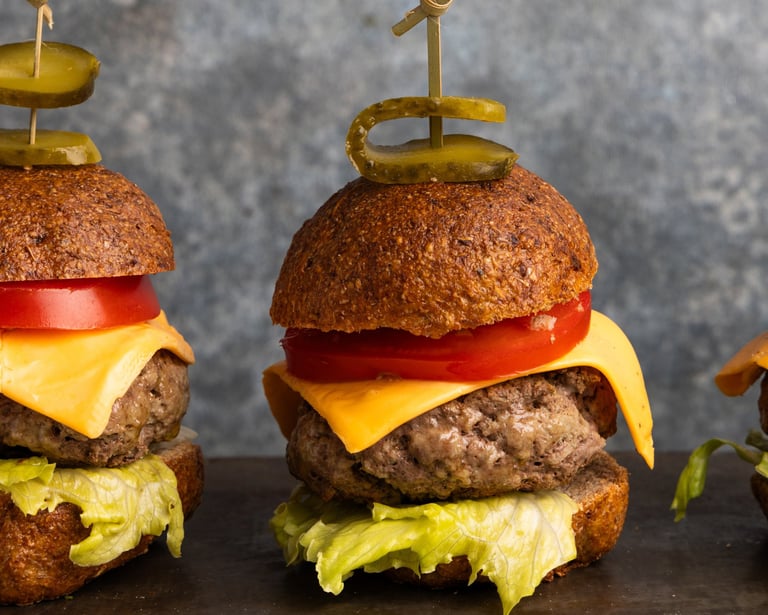
hybrid meat products
bakery and cereal products
plant-based and hybrid meat products
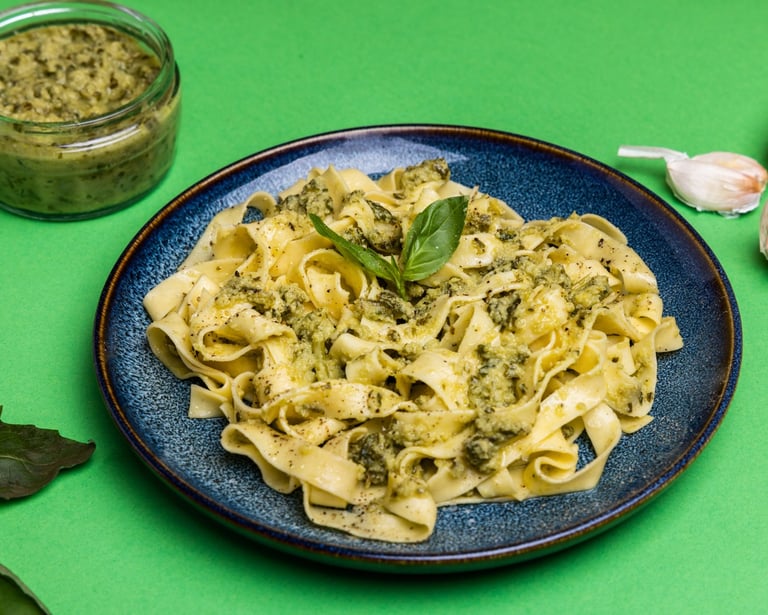
soups, sauces, and ready meals
fibre-enriched foods where texture and structure are important
Ingredient positioning
Fiba is intended for use as a functional dietary fibre in food formulations. It is not positioned as a medicinal or therapeutic product.
Any nutritional or health-related information provided on this page is for general scientific context only and should not be interpreted as a specific health claim for the ingredient. Finished products must comply with applicable UK and EU regulations on nutrition and health claims, including conditions of use.
Summary
UPP’s broccoli-derived fibre offers:
high water-holding capacity
flexible particle size options
good processing stability
versatility across multiple food applications
It provides formulators with a plant-based fibre ingredient that contributes to texture, structure, and moisture management in a wide range of products. Choose UPP where your business case values local sourcing, resilience, and footprint narratives.
If you want to discuss how we can support enhancements of your products with low-risk, contact us!


Get in touch
© 2026. All rights reserved.
Upcycled Plant Power ('UPP') Limited
trading as "UPP" and "Freya"
Company number: 14171122
VAT Number: 428 2222 17
Registered address:
Agri-Tech Centre
Poultry Drive, Edgmond,
Newport, Shropshire
United Kingdom TF10 8JZ
Connect with us
Broccoli is a natural source of vitamin K and contains folate, potassium and beta-carotene, a provitamin A carotenoid. Our Fiba and Prota products are a source of fibre, making them nutritionally valuable ingredients.