UPP in the news


Exclusive: Elbow Beach inks £1.5M into UPP to automate broccoli waste-to-protein tech
UPP Receives £1.5M Investment from Elbow Beach for Upcycled Broccoli Protein
23.10.2025
24.10.2025
29.10.2025
Tech Funding News
Elbow Beach Ventures
Vegconomist
UPP Secures £1.5M in New Investment and Achieves Key Milestones in Sustainable Ingredient Scale-Up
UPP FREYA
22.01.2026
£1.5M Investment in Food-Tech Pioneer, UPP
UPP Secures first-time BRCGS Grade A
UPP FREYA
05.02.2026
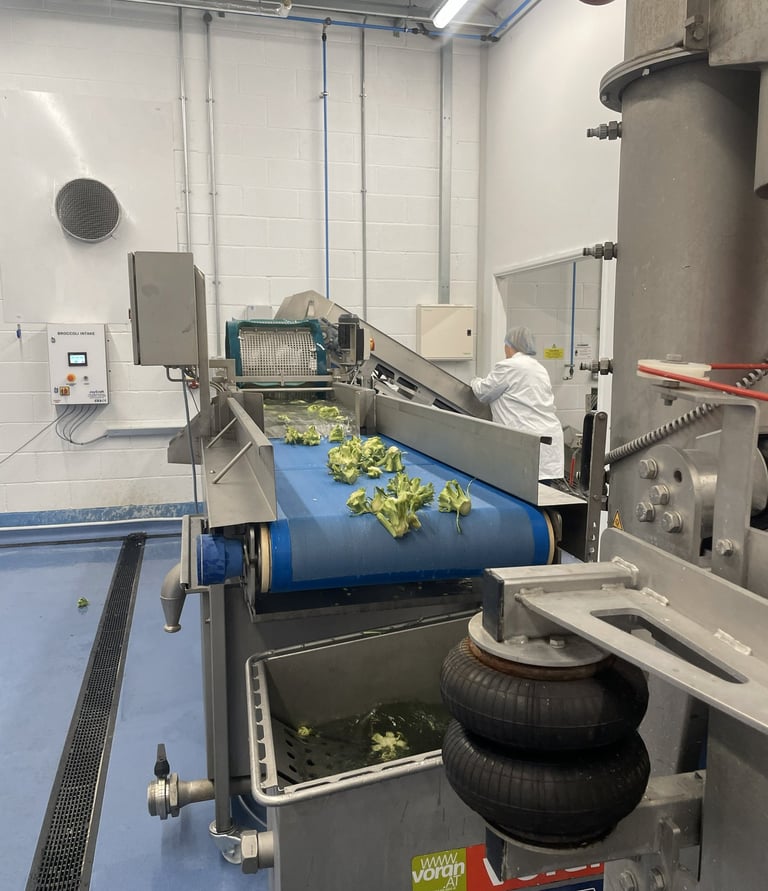
BRCGS Grade A: What this milestone really signals about UPP
UPP FREYA
Why joining the ProVeg incubator makes a difference
UPP FREYA
05.02.2026
18.02.2026
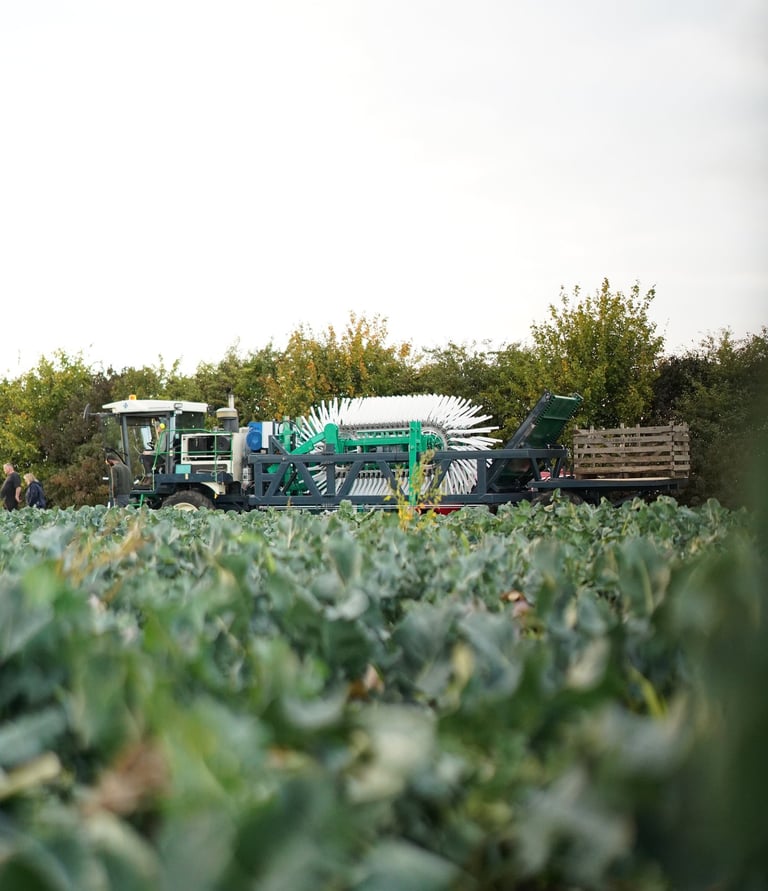
UPP and East of Scotland Growers Announce Strategic Harvest and Supply Partnership to Deliver Broccoli Side-Streams for Sustainable Protein Ingredients
UPP FREYA
18.10.2025
18.10.2025
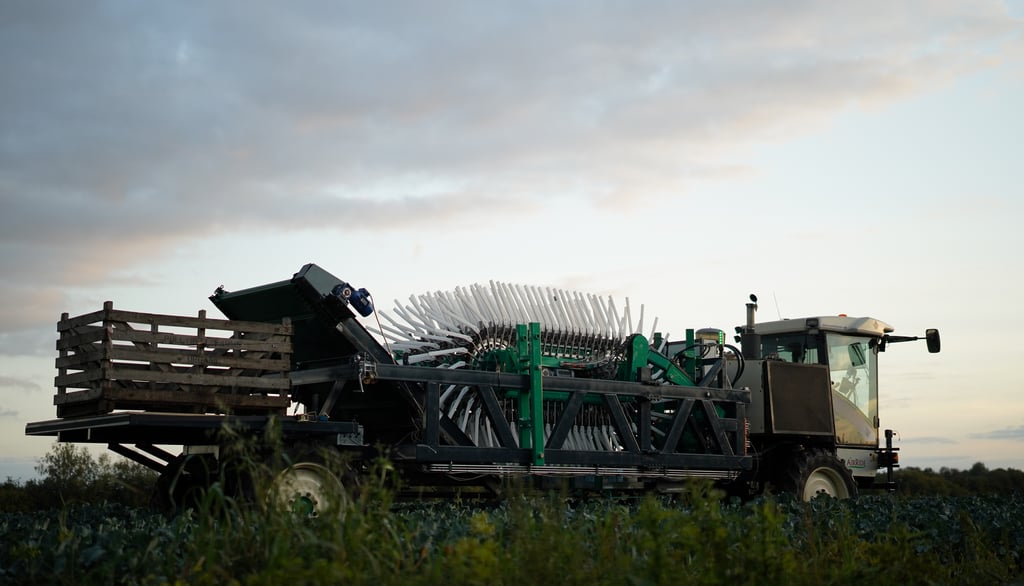
Upcycled Plant Power (UPP) Ltd announced the completion of new investment and the achievement of several significant milestones in its journey toward commercial scale-up, regulatory certification, and international expansion.
Driven by a mission to make food systems more sustainable, UPP is developing clean-label, planet-positive protein and fibre ingredients while helping broccoli farmers overcome their biggest constraint: harvest labour. By also improving yield efficiency and profitability, UPP is redefining value from field to fork. The company was also one of the first industrial partners of the National Alternative Protein Innovation Centre (NAPIC).
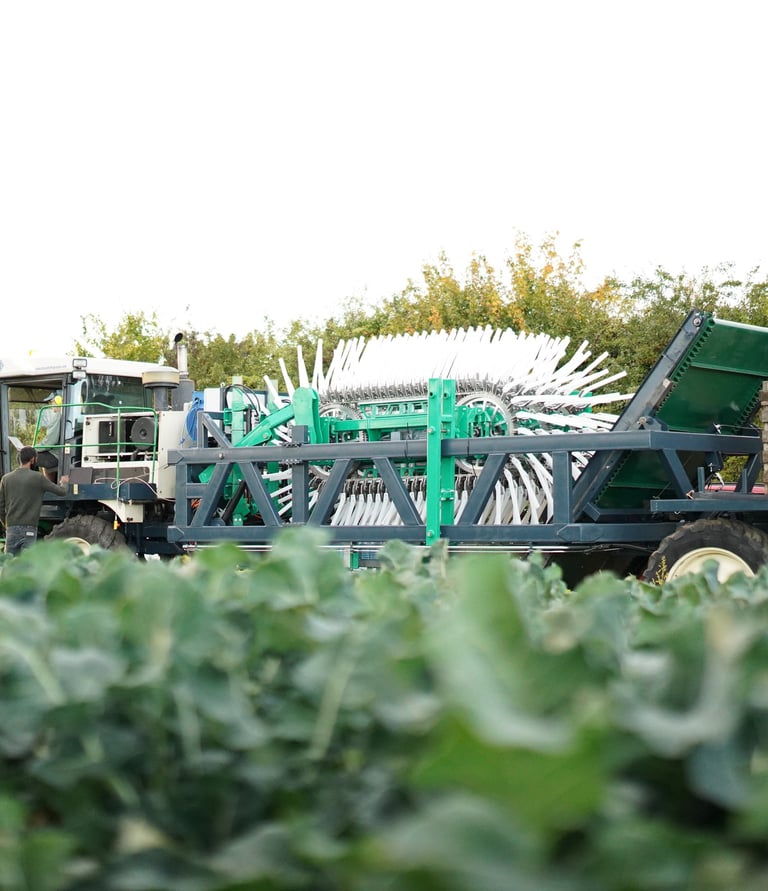
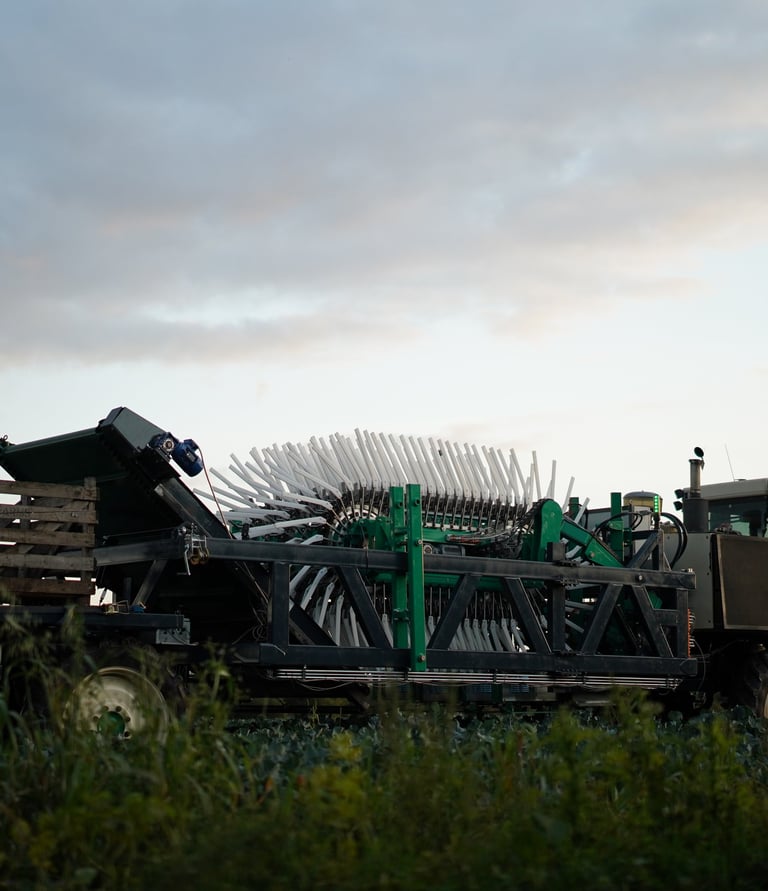
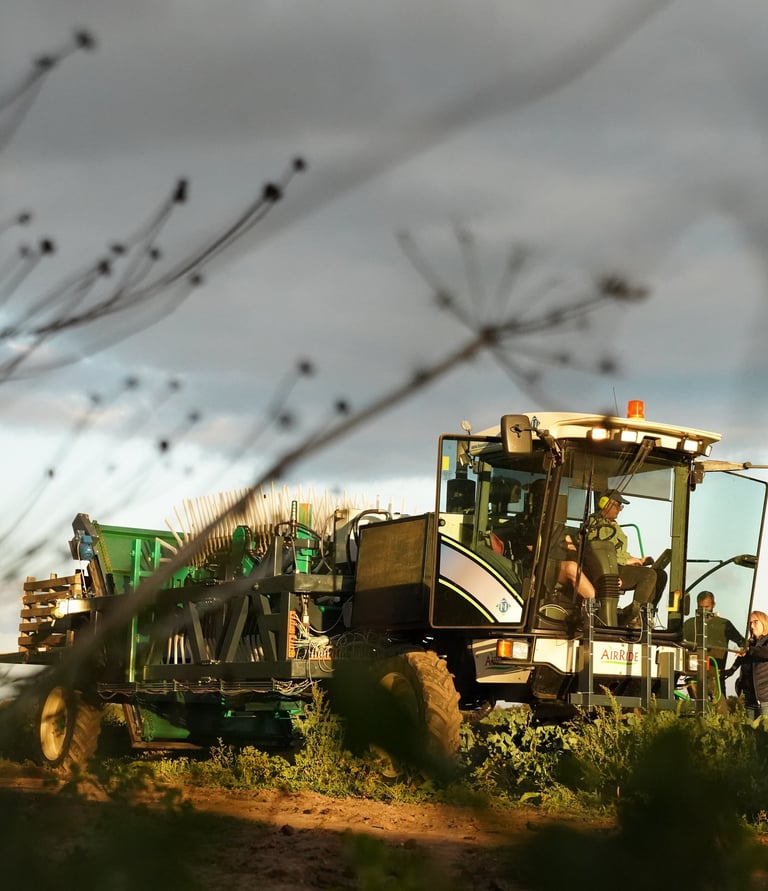
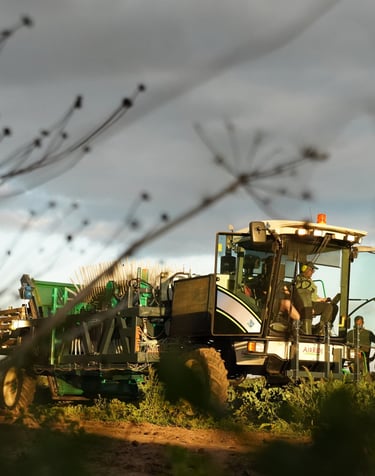
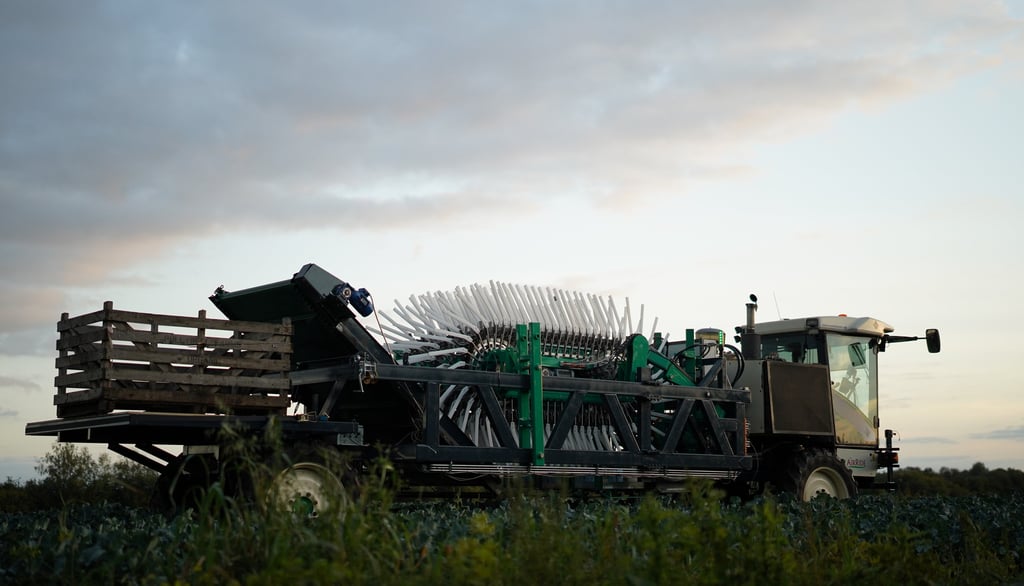
Building on this foundation, UPP has achieved ISO 9001 certification for the production of its Automated Selective Harvester (‘Harvesta’), a self-powered robotic system that identifies market-ready broccoli heads in real time. The 2025 Harvesta model, recently trialled in Lincolnshire and Scotland, can harvest three rows simultaneously at speeds of up to 5 km/h. By automating what has traditionally been a manual process, it transforms the harvest economics of broccoli while capturing valuable side-streams for ingredient production.
Alongside its advances in automation, UPP has completed a pilot plant capable of processing 10 tons of broccoli side-stream per day, producing up to 4 tons of high-quality Fiba™ (fibre) and Prota™ (protein) ingredients. The facility is now in the final three-month work-up toward achieving Brand Reputation through Compliance Global Standard (BRCGS) certification, which is the globally recognised benchmark for food safety and quality and was formerly known as the British Retail Consortium (BRC). UPP expects to secure BRCGS status by January 2026, enabling the start of shipments to several of the 18 major food manufacturers that have already trialled its ingredients. Products featuring UPP’s ingredients are anticipated to reach supermarket shelves in H1 2026, with plans to scale production beyond 100 tons per day in the future.
An independent Life Cycle Analysis confirmed that UPP’s protein has a materially lower CO₂ footprint than soy or pea protein and significantly outperforms pork and beef. The company will soon publish further analysis quantifying methane emissions avoided, demonstrating that its ingredients are genuinely planet positive.
With innovation at the core of its development strategy, UPP has already secured one granted patent family, filed another patent, and submitted three more, with several additional applications now being prepared. These patents span both the harvesting and upcycling processes, reflecting the depth of UPP’s technology and its collaboration with leading institutions including the James Hutton Institute, Harper Adams University, and the UK Agri-Tech Centre.
To drive the next phase of growth, UPP has strengthened its leadership team with the appointment of Dr. Trisha Toop as Chief Technology Officer and Patrick Cohen as Chief Financial Officer, as part of their expansion from seven to twelve team members. The enhanced team will accelerate delivery in the UK, allowing the CEO to focus on planned expansion in the United States and on developing new product lines to maximise both environmental and economic returns from brassica side-streams.
To support this momentum, UPP has secured £1.5 million in new investment from Elbow Beach Ventures, together with the conversion of £1.45 million in existing loans to equity, bringing total investment to £3.6 million. This has been complemented by £1.38 million in government grants, with £0.6 million still to be drawn, supporting the company through to its first commercial revenues.
Mark Evans, CEO of UPP, said: “UPP is redefining how plant-based ingredients are produced by using the crops we already grow, without the need for additional land, water, or emissions. Our technology transforms what was once agricultural waste into cost-effective, nutritious, and hypoallergenic food ingredients. In doing so, we are helping farmers improve profitability, supporting manufacturers in meeting sustainability goals, and contributing to a healthier planet.”
Helen Brookes, Engagement Director at the UK Agri-Tech Centre, said “UPP is a good example of the innovation and collaboration that define the future of UK agriculture and food production. By combining advanced automation with circular bioeconomy principles, they are showing how cutting-edge agri-tech can deliver meaningful impact. Their work demonstrates how technology can turn agricultural challenges, like labour shortages and crop waste, into new opportunities for value creation, sustainability and global opportunity. At the UK Agri-Tech Centre, we are proud to have supported UPP from the outset of the business and to see their ongoing success advancing the resilience of our sector.”
Professor Stewart of the James Hutton Institute, Co-Director of the National Alternative Protein Innovation Centre (NAPIC) and an advisor to UPP said: “UPP’s progress is a powerful example of how UK innovation can accelerate the transition to a more sustainable and resilient food system. As one of NAPIC’s founding industrial partners, UPP has shown how cutting-edge science, automation, and circular thinking can be combined to deliver real-world impact, reducing waste, lowering emissions, and creating new sources of clean, nutritious protein. Their achievements demonstrate the strength of the UK’s alternative protein ecosystem and the value of collaboration between industry, academia, and government in driving the next generation of sustainable food technologies.”
-----------------------------------------------------------
ABOUT UPCYCLED PLANT POWER (UPP) LTD (‘UPP’): UPP provides sustainable, clean-label, low-allergenic plant fibre and protein ingredients for food manufacturers seeking to decarbonise their products. By pairing automated broccoli harvesting with upcycling of the 70% of the plant typically discarded, UPP transforms a high-waste crop into a dual-revenue system that cuts Scope 3 emissions and supports UK food security, nutrition, and affordability goals.
ABOUT ELBOW BEACH CAPITAL: Elbow Beach Ventures is a UK-based investment firm backing high-growth clean technology companies that deliver measurable environmental impact, focusing on scalable solutions such as advanced EV batteries, CO₂-to-product innovations, and agricultural waste reduction to support technologies with the potential to transform industries.
ABOUT UK AGRI-TECH CENTRE: The UK Agri-Tech Centre are the only full-chain agricultural innovation centre in the UK, focussed on supporting commercially viable agriculture solutions and driving their adoption. The UK Agri-Tech Centre works alongside food producers, SMEs, industry, government and world-class research institutions to accelerate impactful agri-tech innovation.
ABOUT NAPIC: The National Alternative Protein Innovation Centre (NAPIC) is an Innovation Knowledge Centre (IKC) funded by BBSRC, Innovate UK, national and international partners including academia, industry, regulators, and third sector. NAPIC are a dynamic nexus of innovators working to leverage the UK’s world-leading science and innovation strengths in alternative proteins.
BRCGS Grade A: What this milestone really signals about UPP
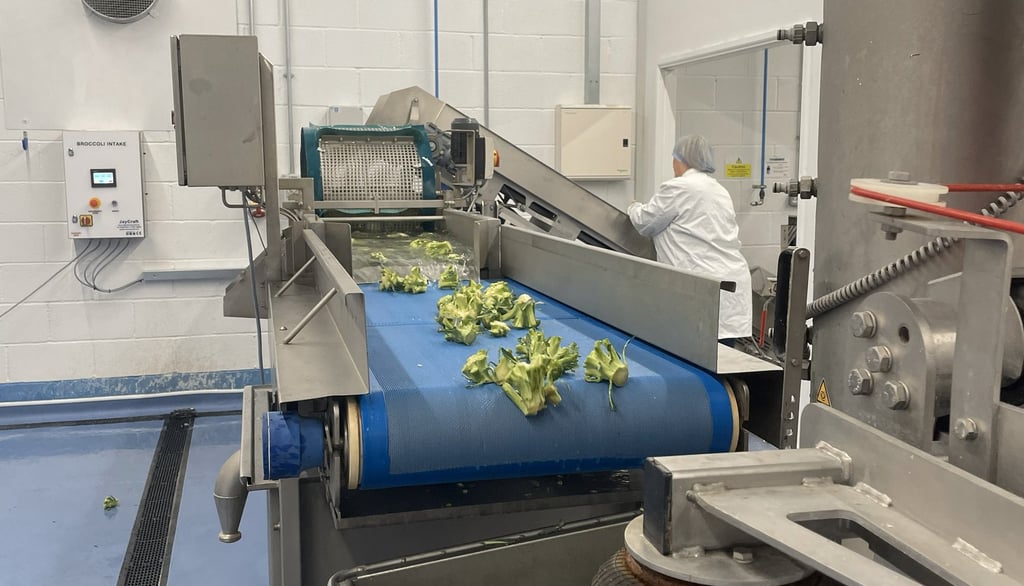
In food manufacturing, milestones matter less for what they say - and more for what they prove. So when UPP achieved BRCGS Food Safety certification (provisional, pending certification) with a Grade A, it would be easy to treat it as a routine compliance update. In reality, it’s a much clearer signal of something more important: UPP is now operating as a procurement-grade ingredient supplier - not a promising technology project. This isn’t just about meeting a standard. It’s about demonstrating that our harvest-to-ingredient platform can deliver repeatable, specification-controlled, food-grade supply under the requirements that major manufacturers and retailers actually use.
Why Grade A matters
BRCGS certification is widely recognised as a baseline requirement for supplying large food manufacturers and retail-facing products. But achieving a Grade A matters because it indicates that food safety and quality systems aren’t being “bolted on” at the end - they’re embedded in day-to-day operations. In practical terms, this certification confirms that UPP has:
Food safety systems that are operational, not improvised
Full traceability and specification control at operating scale
The discipline required to perform reliably under third-party audit
A foundation that customers can onboard with confidence
For our customers, that translates into something simple: UPP can now be treated as a serious long-term supply partner.
What BRCGS actually enables
This milestone matters because it unlocks commercial pathways that are otherwise closed to early-stage ingredient businesses. With BRCGS certification in place, UPP can supply ingredients that are used in products sold through:
mainstream retail
foodservice
Tier 1 manufacturer supply chains
In other words, this is the point where UPP moves from “trial-stage potential” to commercial-scale manufacturability — the threshold that determines whether a new ingredient platform can actually scale.
A milestone that comes in the right order
One reason this matters is the sequencing.
UPP did not pursue certification first and hope operations would catch up later.
Instead, we focused on getting the system working in practice — commissioning, validating, and running early commercial shipments — and then locked in certification once the operating cadence was stable.
That order matters, because it means:
compliance is built into the process, not layered on top
quality is repeatable, not dependent on heroics
scale becomes a matter of replication, not reinvention
What this reveals about how UPP is being built
UPP is designed around a simple idea: Unlock more value per tonne of crop input — without building a capital-heavy business that depends on constant fundraising.
Our production facility integrates the full harvest-to-ingredient stack:
automated harvest inputs
capital-efficient processing
specification-grade ingredient outputs
traceability and quality controls designed for real food manufacturing systems
And crucially, the site is built to support disciplined scale-up through replication of proven modules, rather than bespoke one-off expansion. That matters in today’s market, because:
capital is expensive
buyers want reliability, not experiments
the winners will be the companies that can scale without burning cash
Why this matters beyond UPP
This isn’t just a story about one certification.
It’s a signal of what “good execution” looks like in this phase of the cycle.
Across foodtech, ag-tech, and alternative proteins, the last few years rewarded speed and ambition. But in today’s environment, the question has changed:
What risks have you actually retired — and how efficiently did you do it?
BRCGS Grade A is meaningful because it closes a major category of risk:
not just “is it safe?”
but “can it be run reliably, repeatedly, and commercially?”
What comes next
BRCGS Grade A is not the end goal. It’s a gate.
It enables the next phase of UPP’s commercial rollout - expanded supply, deeper partnerships, and downstream product launches - built on a procurement-grade foundation.
We’ll continue to focus on the same principles that got us here:
disciplined sequencing
capital efficiency
operational reliability
and building optionality through execution, not spending
Because in food manufacturing, the most valuable milestones are the ones that prove the business is real.
If you’re a food manufacturer looking for scalable, low-impact protein and fibre ingredients that integrate into existing recipes without compromising taste or cost, we’d love to speak.
Request samples or start a technical conversation with our team.
What the 2026 ProVeg Incubator Means for UPP’s Mission to Transform Food from the Inside Out
At UPP, we’re working on something fundamental: turning under-utilised crops into functional, nutritious ingredients that fit seamlessly into how food is actually made, bought and eaten. We speak often about system directionality — how better ingredients can quietly reshape the food landscape without fighting the system from the outside.
So what does joining the 2026 ProVeg Incubator - Fast-track To Impact mean for UPP? And why does it matter not only for our team, but for food manufacturers, supply chains and sustainable protein innovation broadly?
Deepening Strategic Clarity at a Pivotal Moment for Protein Innovation
The 2026 ProVeg Incubator has evolved into a nimble, fully online, three-month program focused on resilience, strategic fundamentals, and commercial clarity for early-stage alternative-protein ventures — no equity taken, no fee charged. It’s designed to meet the actual realities food innovators face today.
For UPP, this means access to structured support as we sharpen our positioning at the intersection of upcycled plant-derived ingredients and mainstream food systems - not as niche, “better-for-you” additives, but as functional inputs that fit existing industrial needs.
Connecting Expertise with Execution
One of the strengths of ProVeg Incubator lies in its mentorship-led model and global network of industry experts, with our focus particularly on the US.
UPP’s perspective on ingredient-led transformation sits squarely in the tension between sustainability goals and commercial feasibility. The Incubator’s emphasis on tailored guidance helps bridge that gap - refining value propositions, fortifying business fundamentals, and ensuring we bring the right language and value into conversations with manufacturers and partners.
Accelerating Commercial Progress Without Diluting Purpose
ProVeg’s Fast-track program doesn’t just talk about impact — it structures opportunity for companies to pitch to investors and ecosystems that matter in plant-based and alternative protein spaces.
For UPP, participating in this cohort accelerates our ability to build strategic partnerships and enter new channels where demand for sustainable protein and fibre is increasing - from nutrition-focused product lines to reformulated everyday foods that reach far beyond niche shelves.
Aligning with a Movement Towards Holistic Food System Change
ProVeg Incubator’s mission is clear: support food systems change by accelerating alternative-protein innovation.
UPP’s work is also rooted in systemic thinking - not only improving nutrient density or environmental outcomes in isolation, but integrating those gains into food’s everyday design logic. By joining the Incubator’s 2026 cohort, we’re participating in a broader community that shares the same North Star: a food system that is nutritious, resilient, scalable, and fair.
At UPP, we see the future of food innovation where impact is engineered, not imagined. The 2026 ProVeg Incubator offers us tools, network and strategic match-fits that enhance how we move from idea to meaningful food industry transformation.
UPP and East of Scotland Growers Announce Strategic Harvest and Supply Partnership to Deliver Broccoli Side-Streams for Sustainable Protein Ingredients
The recently announced partnership between UPP and East of Scotland Growers is interesting not because it introduces a single new technology, but because it reconnects those fragments into a single, shared system - one where value is created and shared across the entire chain.
For decades, the food system has been optimised in fragments.
Farmers grow.
Manufacturers process.
Retailers sell.
Consumers buy.
And between each step, value quietly leaks away - through waste, inefficiency, labour shortages, and emissions that no one fully owns.
From side-stream to system: what’s changed
Under the partnership, up to 100,000 tonnes of broccoli biomass per year - material that is typically left in-field or sent to low-value anaerobic digestion - will be selectively harvested using automated harvest technology and supplied into food-grade ingredient production.
What’s new is not the crop. It’s the connection:
Harvest automation links labour, yield, and cost.
Processing turns side-streams into protein and fibre ingredients.
Retailers gain credible, auditable Scope 3 emissions reductions.
Consumers get nutritious food made with lower environmental impact.
Farmers participate directly in the value created downstream.
This is supply-chain integration with intent. Value for farmers: automation, resilience, and new income. For growers, particularly in Scotland, the benefits are immediate and practical.
Reducing dependence on casual labour
Harvest labour availability has become one of the biggest constraints in fresh produce. Automating harvest:
reduces reliance on seasonal labour,
mitigates labour inflation,
and lowers the risk of crops being lost simply because they cannot be harvested in time.
Just as importantly, it upskills farm work - shifting roles toward operating, maintaining, and managing advanced equipment rather than repetitive manual tasks.
Growing more of a high-value crop
Broccoli is already a high-value crop, but labour constraints limit how much can be planted and reliably harvested. Automation allows growers to:
expand acreage with confidence,
stabilise margins,
and plan production more predictably.
A new revenue stream from what was once waste
Instead of treating side-streams as a cost or disposal problem, farmers now:
supply feedstock into food manufacturing,
receive a share of gross margin from ingredient sales,
and do so without additional capital investment or operational risk.
That is a structural shift in farm economics.
Value for food manufacturers: secure supply and lower-impact ingredients
For producers, this partnership delivers something increasingly rare: reliable, scalable, UK-based ingredient supply with embedded sustainability. By sourcing from a grower-aligned, automated harvest system:
feedstock becomes more consistent,
exposure to global commodity volatility is reduced,
and ingredients arrive with full traceability from field to factory.
This matters not just for cost and quality, but for credibility.
Value for retailers: capturing Scope 3 emissions where they actually occur
Retailers sit at the sharp end of climate accountability, yet most emissions sit upstream in agriculture and processing. This model allows retailers to:
directly link ingredient sourcing to verifiable Scope 3 CO₂ reductions,
demonstrate that reductions come from operational change, not offsets,
and tell a clearer story to regulators, investors, and consumers.
Because the emissions savings are embedded in how food is grown and processed, they are:
measurable,
repeatable,
and scalable.
That is precisely what Scope 3 reporting increasingly demands.
Value for consumers: food that aligns with values - without trade-offs
For consumers, the impact is subtle but important.
This system:
reduces waste,
lowers the carbon footprint of everyday foods,
and delivers nutritious protein and fibre ingredients without introducing unfamiliar or controversial technologies.
The result is food that aligns better with environmental values without asking consumers to compromise on taste, price, or familiarity.
Value for the planet: less waste, lower emissions, better use of land
At a system level, the environmental benefits compound:
Side-streams are diverted from waste pathways.
Pressure on land and inputs is reduced.
Emissions are cut at source, not after the fact.
This is what “planet-positive” looks like when it’s grounded in operations, not slogans.
A regional opportunity for Scotland - and Fife in particular
Beyond the immediate partnership, there is a broader opportunity for Scotland, and Fife specifically. UPP has signalled intent to build a processing plant in the region, with:
associated anaerobic digestion infrastructure, and
potential future mycelium production alongside ingredient processing.
That combination creates:
green jobs in processing, engineering, and operations,
localised value capture rather than export of raw materials,
and a blueprint for regional, circular food infrastructure.
For Fife, this represents more than a facility - it represents participation in the next generation of sustainable food systems.
Why this model matters now
Food systems are under pressure from every direction: labour shortages, climate targets, cost volatility, and consumer expectations. What this partnership demonstrates is that joining up the supply chain is not just environmentally desirable – it is economically rational. By aligning incentives from planter to producer to retailer:
risk is reduced,
value is shared,
and resilience is built into the system.
Closing thought
Too often, sustainability is treated as an add-on. This partnership shows what happens when it’s treated as infrastructure.
When farmers, manufacturers, retailers, and technology providers work from the same economic logic, waste becomes resource, labour becomes skilled work, emissions become measurable, and regions like Fife become hubs of future-facing growth.
That’s not just good for the planet … It’s good business.
Get in touch
© 2026. All rights reserved.
Upcycled Plant Power ('UPP') Limited
trading as "UPP" and "Freya"
Company number: 14171122
VAT Number: 428 2222 17
Registered address:
Agri-Tech Centre
Poultry Drive, Edgmond,
Newport, Shropshire
United Kingdom TF10 8JZ
Connect with us
Broccoli is a natural source of vitamin K and contains folate, potassium and beta-carotene, a provitamin A carotenoid. Our Fiba and Prota products are a source of fibre, making them nutritionally valuable ingredients.